Composites · Sustainability · Compositive
Mycelium Helmet
A bicycle helmet made from mycelium (mushroom) composite, grown rather than manufactured.
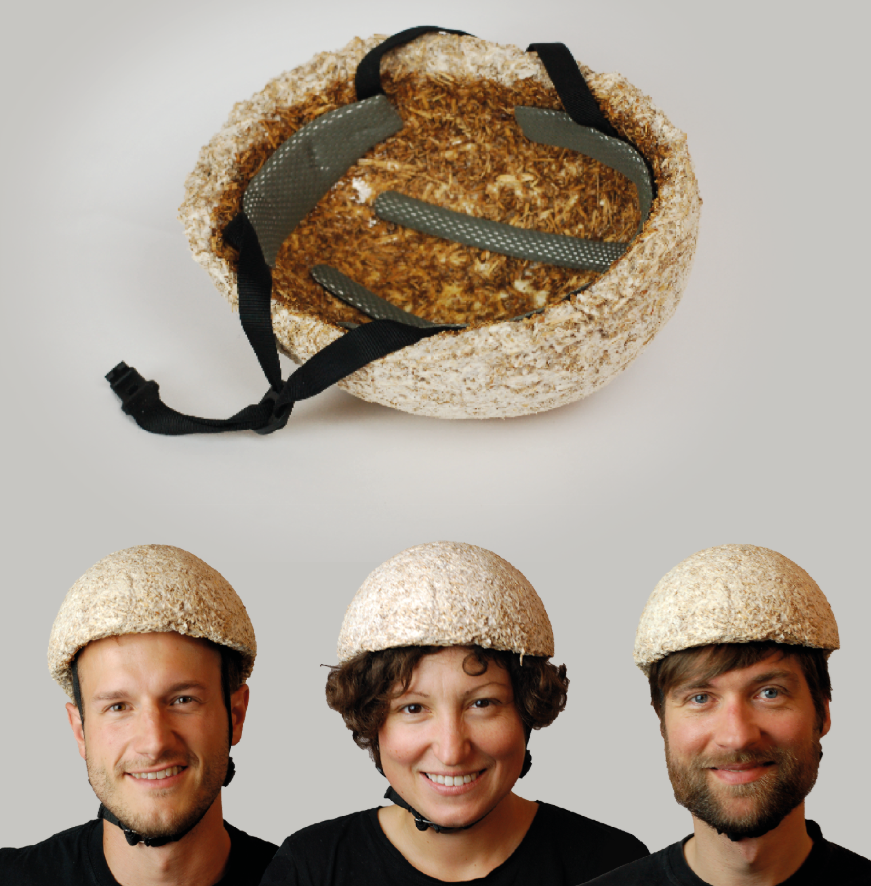
Overview
Compositive was founded on a straightforward premise: helmets don't need to be made from foam and plastic. Mycelium, the root structure of fungi, can be grown into any shape, is fully compostable, and has excellent impact-absorption properties. We set out to prove it could replace EPS in a bicycle helmet.
Personally led the engineering team, defined the helmet geometry and structural requirements, and developed the production process from scratch. This was a genuinely novel materials application with no established playbook to follow.
Engineering scope
- Helmet form design, balancing ventilation, coverage, aesthetics, and mould geometry
- Structural analysis of mycelium composite properties under impact loading
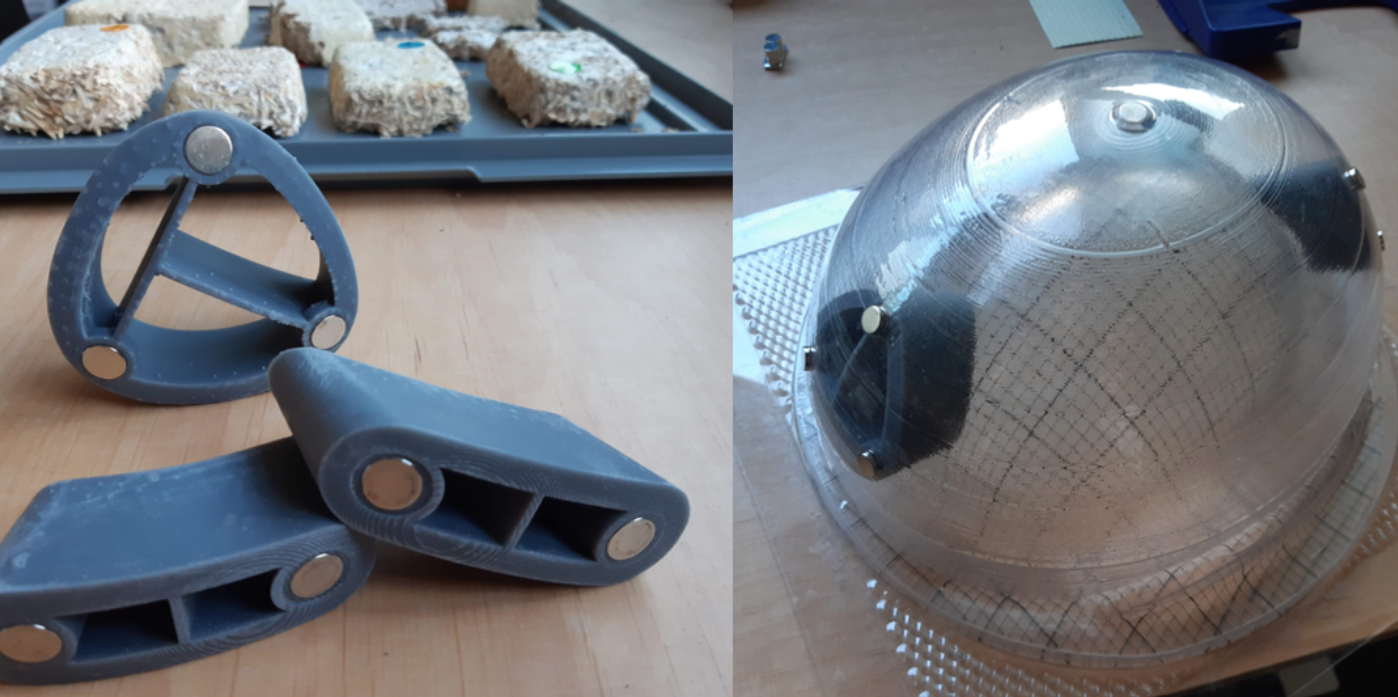
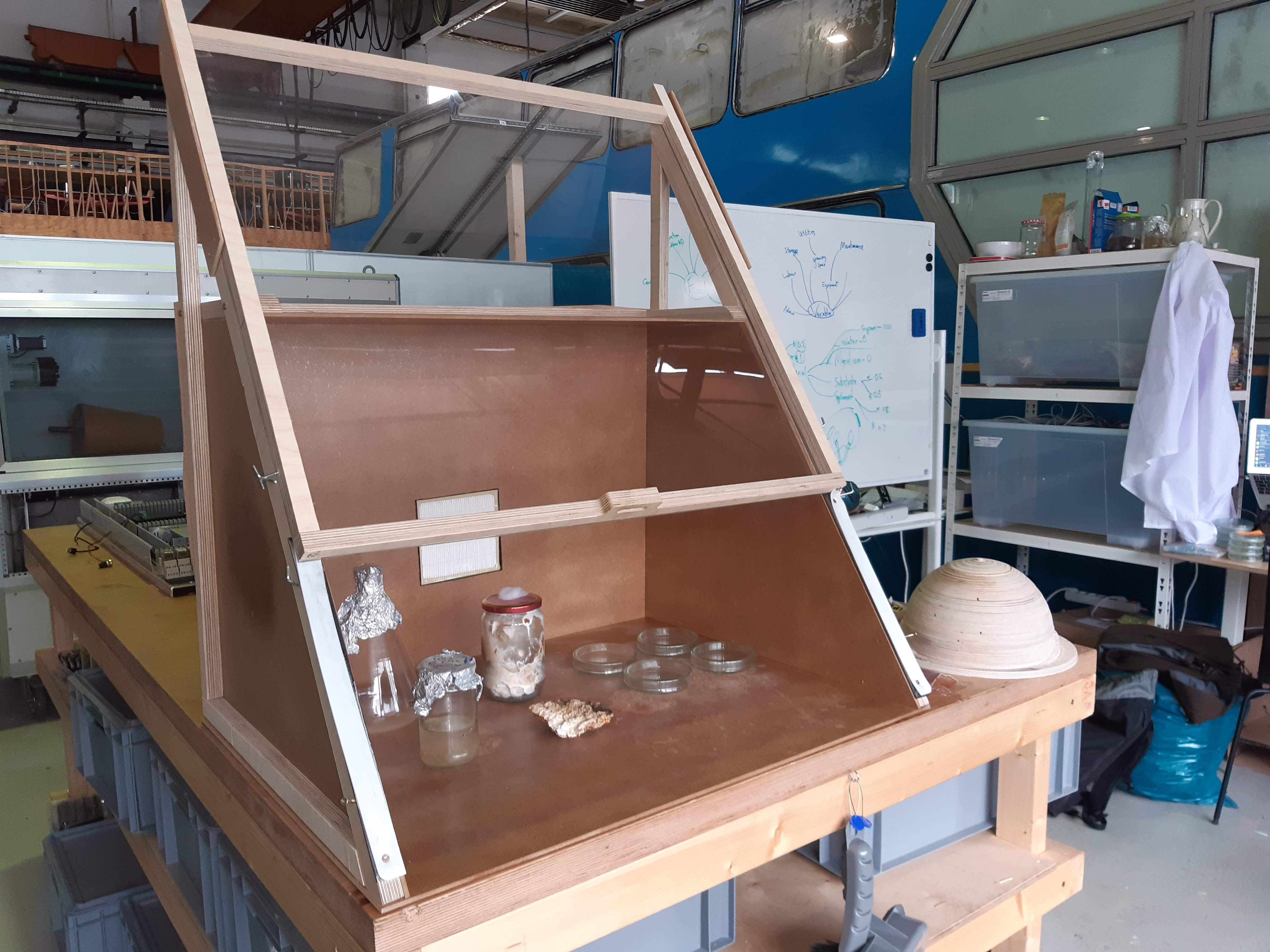
- Growth process development: substrate formulation, mould design, curing conditions
- Production plan and scale-up pathway
- Financial modelling and venture case for investor presentations
Process & prototyping
Outcome
Functional prototypes produced and tested. Financial case built and presented. The venture demonstrated the viability of mycelium as a structural composite material for wearable applications.